By: Jim Seaver
May 12, 2026
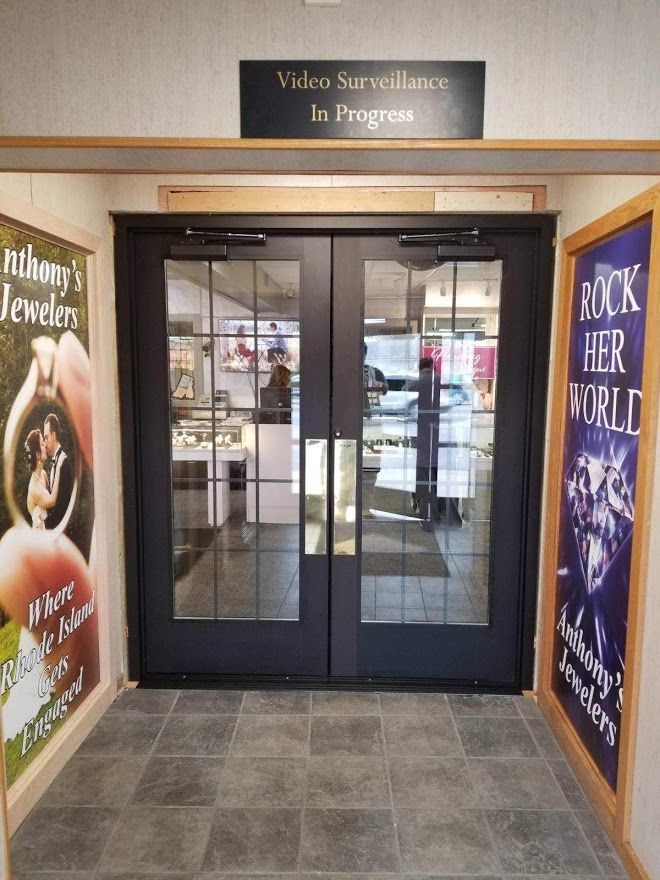
Commercial entrances play a major role in how customers perceive and interact with a business. They influence accessibility, safety, energy performance, and overall curb appeal. When properly designed and installed, entry systems can improve daily operations while reinforcing a professional image. Among the most widely used options in modern facilities are commercial glass doors, valued for their durability, visibility, and adaptability across different building types. They also support modern design expectations where openness and transparency are increasingly tied to customer opinion and brand perception.
1. Building Accessibility and Code Compliance
Ensuring Entryway Accessibility Standards
One of the first considerations professionals evaluate is whether the entry system meets accessibility expectations for all users. This includes ensuring appropriate door width, clearance, and maneuverability for individuals using mobility devices. In many jurisdictions, accessibility compliance is not optional but a required part of commercial construction planning. Properly configured commercial glass doors help support smooth entry and exit without creating physical barriers, especially in high-traffic environments. These standards also influence hardware selection, such as opening force and handle positioning, to ensure usability for a wide range of individuals.
Aligning With Regulatory Requirements
Building codes often dictate how public entrances must be designed and distributed across a facility. According to the ADA National Network, at least 60% of public entrances in newly constructed buildings are required to be accessible for individuals who use wheelchairs or have other mobility limitations. This requirement directly influences how entry systems are selected and positioned within a building layout, ensuring equitable access without barriers. It also affects decisions around threshold height, door pressure, and operating force.
Planning for Traffic Flow and Usability
Beyond minimum compliance, professionals also analyze how people will move through the space during peak and off-peak hours. Proper placement helps reduce congestion, improve safety, and support a more intuitive entry experience for visitors and staff alike. In many commercial environments, commercial glass doors are positioned to create a natural flow that guides movement without requiring additional signage or direction. Designers also account for accessibility overlap between entry points, ensuring that users are not forced into bottlenecks during high-volume periods.
2. Structural Integrity and Installation Conditions
Evaluating Opening Dimensions and Framing
Before installation begins, precise measurements of the door opening are essential. Even small inconsistencies in framing can affect alignment, sealing, and long-term durability. Installers assess structural conditions to determine whether reinforcements or adjustments are necessary to support the weight and function of the system. This step is particularly important when working with larger storefront configurations where commercial glass doors are used as primary entry points. Proper evaluation also reduces the likelihood of future sagging or frame stress.
Assessing Material Compatibility and Load Support
Commercial entry systems must be compatible with the surrounding building materials. Professionals consider how the framing, anchoring systems, and surrounding wall structure will interact with the door assembly. This ensures stability under repeated use and prevents premature wear. Heavier glazing options or reinforced frames may be selected depending on expected traffic levels and environmental exposure. Compatibility also extends to expansion and contraction behavior, which varies based on temperature shifts and material type.
Accounting for Environmental Exposure
Exterior entrances are exposed to wind pressure, temperature fluctuations, and moisture. These conditions can affect performance over time if not properly addressed during installation. Professionals take environmental exposure into account to select appropriate sealing methods and hardware configurations that enhance durability. In high-exposure locations, properly engineered glass doors are often specified to maintain performance consistency throughout seasonal changes. This also includes evaluating UV exposure, which can impact both materials and interior comfort.
3. Security Requirements and Operational Functionality
Integrating Access Control Needs
Security is a core consideration in commercial entry design. Depending on the facility type, doors may need to support locking mechanisms, controlled entry systems, or emergency egress hardware. The selected configuration must balance controlled access with ease of exit during emergencies. In many cases, commercial glass doors are paired with reinforced locking systems that maintain visibility without compromising protection. Integration with electronic access systems is also increasingly common in modern commercial buildings.
Selecting Durable Hardware Systems
Hardware plays a critical role in overall performance. Handles, hinges, and locking mechanisms must be able to withstand high-frequency use without compromising function. For high-traffic environments, professionals often specify reinforced components that maintain consistent operation over time. This reduces service interruptions and supports long-term reliability in busy commercial settings. Proper hardware selection also improves user experience by ensuring smooth, predictable operation.
Supporting Long-Term Maintenance and Reliability
Ease of maintenance is another important factor. Systems that are difficult to service can lead to downtime or increased operational costs. Properly selected entry systems are designed to allow straightforward adjustments and part replacements, reducing long-term maintenance disruptions. Well-installed glass doors help minimize alignment issues that can otherwise develop with frequent use. This supports operational continuity and reduces the need for emergency repairs.
4. Aesthetic Integration and Business Identity
Matching Architectural Design Elements
Visual consistency between entry systems and building design helps create a cohesive appearance. Professionals consider frame finishes, glass transparency, and hardware styling to ensure the entrance complements the overall architecture. This coordination is especially important when commercial glass doors serve as a primary storefront feature. A well-integrated entrance can significantly influence first impressions and perceived professionalism.
Enhancing Natural Light and Visibility
One of the defining advantages of glass-based entry systems is their ability to increase natural light flow into interior spaces. This improves visibility inside the building while also creating a more welcoming environment for visitors. It can also help reduce reliance on artificial lighting during daytime hours, contributing to a more balanced interior atmosphere. Increased visibility from the exterior can also enhance safety and perceived openness.
Supporting Brand Presentation
The entrance is often the first physical interaction customers have with a business. As such, design choices should reinforce brand identity and professionalism. Well-designed commercial glass doors contribute to a modern, approachable image while maintaining practical performance standards. Their transparency can also help showcase interior layouts, reinforcing trust and openness. In many cases, the entrance becomes a subtle but powerful branding element.
5. Energy Efficiency and Environmental Performance
Reducing Heat Transfer and Energy Loss
Modern entry systems are often engineered to improve thermal performance. Features such as insulated framing and specialized glazing help reduce unwanted heat transfer between indoor and outdoor environments. This contributes to more stable interior temperatures and can reduce energy consumption over time, particularly in facilities with frequent door use. Improved thermal performance also supports HVAC efficiency.
Managing Air Infiltration
Proper sealing is essential to prevent drafts and maintain indoor comfort. Installers carefully evaluate weatherstripping, frame alignment, and closure mechanisms to ensure that air leakage is minimized. This is especially important in buildings where commercial glass doors are used as primary entrances, exposed to constant opening and closing cycles. Effective air control also improves occupant comfort and system efficiency.
Supporting Sustainable Building Goals
Energy-efficient design is increasingly important in commercial construction. Selecting appropriately engineered entry systems can contribute to broader sustainability objectives by improving building performance and reducing unnecessary energy usage. Over time, these efficiencies can also support operational cost savings while maintaining occupant comfort. Sustainability considerations often influence material selection and system design from the earliest planning stages.
Installing a commercial entry system requires more than selecting a visually appealing product. Professionals must evaluate accessibility requirements, structural conditions, and security needs while also considering aesthetic integration and energy performance. Each of these factors plays a role in ensuring the system functions properly and supports long-term building efficiency. For more information on how commercial glass doors can benefit your business, contact Krystal Glass & Door Co today!